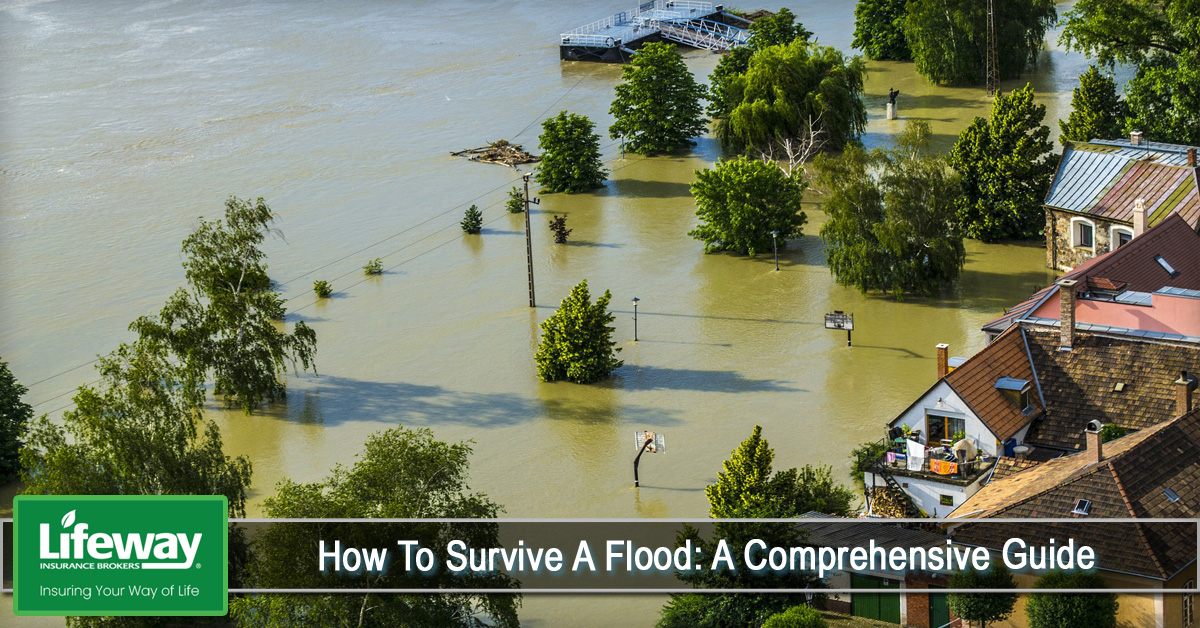
Floods are among the most common and devastating natural disasters, affecting millions of people worldwide each year. Knowing how to survive a flood is crucial for ensuring your safety and the safety of your loved ones. This comprehensive guide will provide essential tips and steps to prepare for, respond to, and recover from a flood.
Before the Flood: Preparation is Key
- Know Your Risk: Understanding the flood risk in your area is the first step in preparation. Check flood maps and local flood history to determine the likelihood of flooding in your community.
- Create an Emergency Plan: Develop a family emergency plan that includes evacuation routes, communication methods, and a safe meeting place. Ensure all family members understand the plan.
- Build an Emergency Kit: Prepare an emergency kit with essential items such as water, non-perishable food, medications, first-aid supplies, flashlights, batteries, and important documents.
- Protect Your Property: Take measures to protect your home, such as installing sump pumps, elevating utilities, and using sandbags to redirect water. Ensure gutters and drains are clear of debris.
During the Flood: Stay Safe and Informed
- Stay Informed: Monitor weather reports and emergency alerts through local news, radio, or weather apps. Follow instructions from local authorities.
- Evacuate If Necessary: If advised to evacuate, do so immediately. Follow designated evacuation routes and avoid flooded areas. Do not attempt to drive through floodwaters.
- Seek Higher Ground: If you are unable to evacuate, move to the highest level of your home. Avoid basements and lower levels where floodwaters are most dangerous.
- Avoid Floodwaters: Do not walk, swim, or drive through floodwaters. Just six inches of moving water can knock you down, and one foot can sweep your vehicle away. Floodwaters can also be contaminated with hazardous materials.
After the Flood: Recovery and Safety
- Return Safely: Only return to your home when authorities have declared it safe. Be cautious of potential hazards, such as structural damage, electrical issues, and contamination.
- Document Damage: Take photos and videos of the damage to your property for insurance claims. Keep records of repairs and expenses incurred during the recovery process.
- Clean Up Safely: Wear protective gear when cleaning up debris and avoid direct contact with floodwaters. Disinfect and dry out affected areas to prevent mold growth.
- Seek Assistance: Utilize available resources such as local disaster relief agencies, government assistance programs, and community organizations for support during the recovery process.
The Importance of Flood Insurance
Floods can cause extensive damage, leading to significant financial burdens for homeowners. Standard homeowner’s insurance policies typically do not cover flood damage, making flood insurance an essential investment. Flood insurance provides financial protection by covering repair costs and helping you recover more quickly after a disaster. At Richard Turner Insurance Agency, we offer comprehensive flood insurance policies to safeguard your home and belongings against flood-related losses. Contact us today to learn more about how we can help protect you from the unexpected.
Surviving a flood requires preparation, vigilance, and timely action. By following these steps and securing adequate flood insurance, you can protect yourself, your loved ones, and your property from the devastating impacts of a flood. Stay informed, stay safe, and be prepared.
At Lifeway Insurance Brokers, we do our best in making sure that our clients are well-protected with affordable and comprehensive policies. We make sure to go the extra mile to help you with your needs. To learn more about how we can help you, please contact our agency at (281) 232-5207 or Click Here to request a free quote. Topics and coverage discussed in this article are not guaranteed, consult with your agents to determine what your policy does and does not cover. We are more than happy to help!
Disclaimer: The information presented in this blog is intended for informational purposes only and should not be considered as professional advice. It is crucial to consult with a qualified insurance agent or professional for personalized advice tailored to your specific circumstances. They can provide expert guidance and help you make informed decisions regarding your insurance needs.